How to Scale Google Ads Lead Generation Without Wasting Your Budget
- Feb 20
- 6 min read
Updated: Feb 23
Scaling Google Ads campaigns should be straightforward. You increase your budget, you get more leads. But anyone who has tried this knows the reality is far more complex. What worked at £1,000 per month rarely translates linearly at £5,000. Cost per lead climbs, lead quality deteriorates, and suddenly you are spending more to achieve less.
At AdsVantage London, we have generated over £5 million in sales and delivered more than 20,000 leads for our clients. That experience has taught us one critical lesson: scaling Google Ads lead generation profitably is not about spending more. It is about spending smarter.
The Foundation: Data Quality Over Volume
Before you consider scaling, you need to understand what Google's algorithm actually optimises for. Most businesses make the mistake of focusing on conversion volume: total leads generated: rather than conversion value. This creates a fundamental problem: Google becomes excellent at finding people who will fill out your form, but terrible at finding people who will actually become customers.
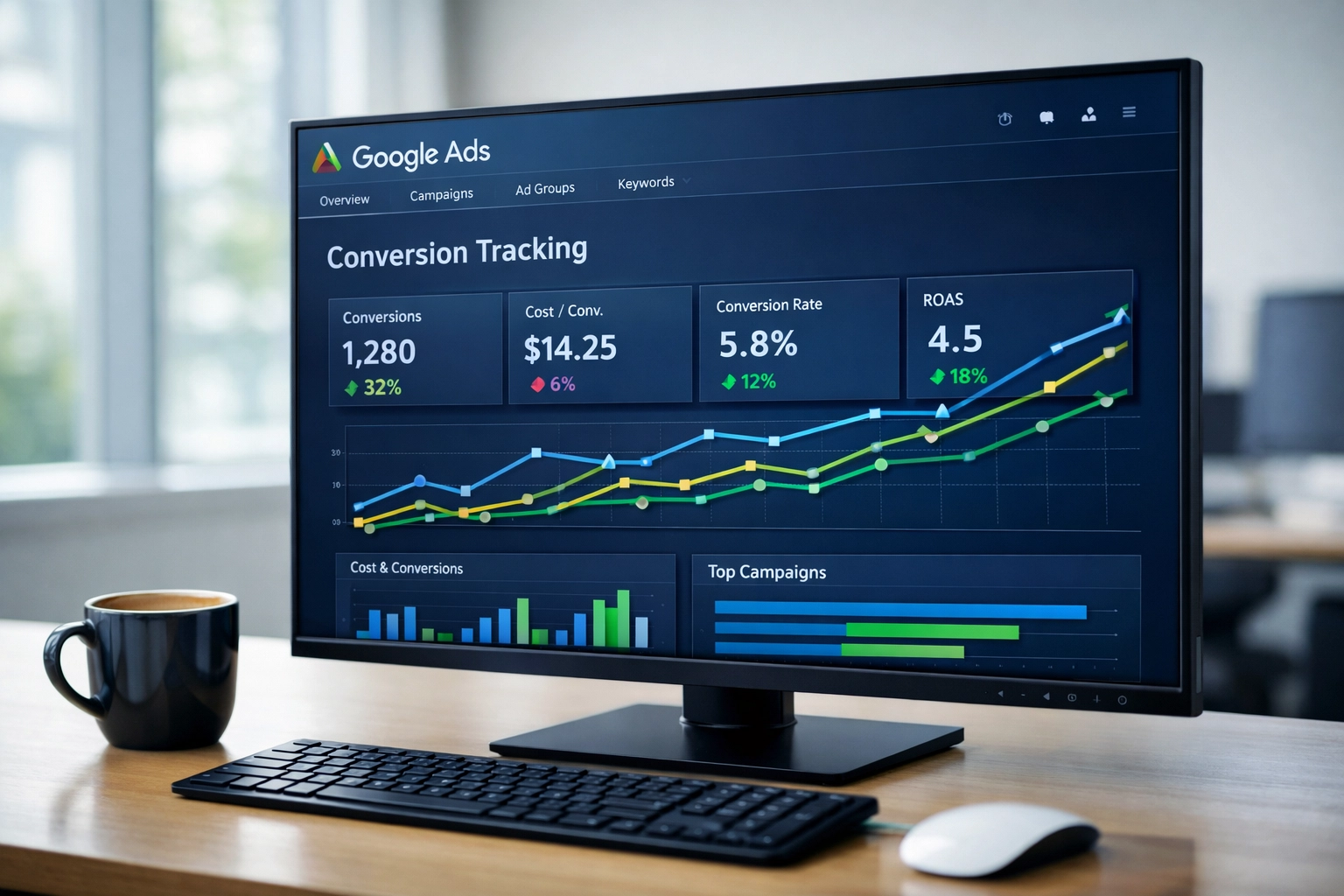
The solution starts with offline conversion tracking. This means feeding data back to Google about which leads actually converted into customers, their value, and how long the sales cycle took. For B2B companies and SaaS businesses especially, this distinction becomes critical. A lead generation campaign that delivers 100 leads at £50 each looks efficient until you discover that only three became customers. Meanwhile, a campaign generating 30 leads at £120 each might deliver 10 paying clients.
When we work with clients as a Google Ads management agency, implementing proper conversion tracking is always the first step. Without clean data, any attempt to scale simply amplifies existing inefficiencies. Google's machine learning needs quality signals to optimise effectively, and those signals come from tracking real business outcomes, not just form submissions.
Scale Slowly, Measure Constantly
The temptation when campaigns perform well is to double or triple the budget immediately. This approach consistently fails because it disrupts the machine learning that made your campaigns profitable in the first place. Google's bidding algorithms need time to learn and adjust. Sudden budget increases force the system to explore new territory before it has properly optimised your existing spend.
The alternative approach is incremental scaling with performance gates. At AdsVantage London, we typically increase budgets by no more than 20% per week, and only when specific conditions are met. These conditions might include maintaining cost per lead below a threshold, achieving a minimum conversion rate, or hitting a target return on ad spend.
Automated rules make this process manageable. You can configure campaigns to increase budgets by 3-5% daily, but only when yesterday's performance met your criteria. This creates a self-regulating system that scales aggressively when conditions allow but pulls back automatically when performance deteriorates.
Strategic Segmentation for Controlled Growth
Campaign structure determines how efficiently you can scale. Running all your keywords, audiences, and locations in a single campaign might seem simpler, but it creates a fundamental problem: you cannot push budget into what works while protecting what is still learning.

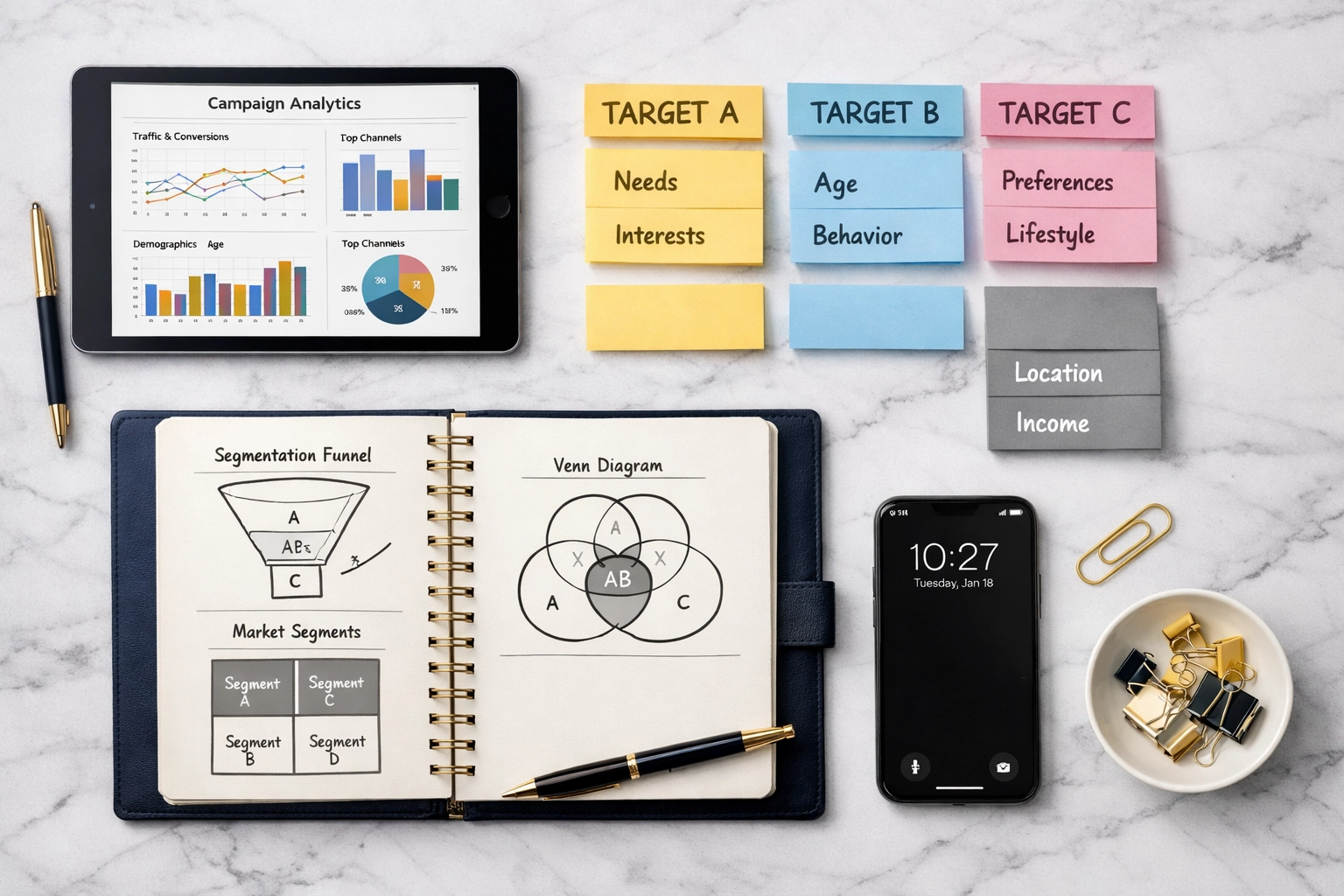
Proper segmentation as a B2B PPC agency means dividing campaigns based on profitability drivers. Geographic segmentation allows you to scale spend in high-performing regions while testing new areas with controlled budgets. If London generates leads at £80 while Manchester delivers them at £120, you need the flexibility to allocate budget accordingly.
Service or product segmentation becomes equally critical for businesses with multiple offerings. Your flagship product might scale efficiently while newer offerings require more conservative budgets. Keyword intent segmentation: separating high-intent searches from informational queries: ensures you are not wasting budget on traffic that will never convert.
This segmentation approach enables sophisticated budget allocation. High-performing segments receive aggressive scaling while new segments build data with protected budgets. The result is sustainable growth that maintains profitability across the entire account.
Expanding Your Reach Without Compromising Quality
Once core campaigns perform consistently, expansion opportunities emerge. The key is systematic testing rather than wholesale changes. New keywords should relate directly to proven performers, extending your reach into adjacent search territory rather than launching into completely different themes.
Geographic expansion follows a similar logic. If your service operates nationally but you have primarily focused on major cities, expanding to secondary markets creates new volume. Location-specific keywords: combining your service with city names: often deliver better quality leads than generic terms because they capture higher purchase intent.
Audience layering adds another dimension. Previous site visitors, engaged users who watched a percentage of your videos, or people who match specific demographic or interest profiles can be targeted with adjusted bids. This approach differs from pure audience targeting by using audiences to modify bids within your existing keyword structure, rather than replacing keyword targeting entirely.
For SaaS PPC agency work specifically, customer match audiences become powerful scaling tools. Uploading your existing customer email list allows Google to find similar users across its network. These lookalike audiences typically convert at higher rates than cold traffic, making them ideal candidates for incremental budget allocation.
Quality Over Quantity: Optimising Lead Forms
Scaling often focuses on getting more traffic, but lead quality optimization delivers equal or greater impact on overall campaign performance. A lead that never converts is not free just because you are paying less per form submission: it still consumed budget that could have gone to higher-quality prospects.
Form optimization starts with clear qualification. If budget or company size determines whether a lead fits your ideal customer profile, asking those questions upfront filters out poor fits. This might reduce conversion rate, but it dramatically improves lead quality and sales team efficiency. At AdsVantage London, we have seen cost per qualified lead drop by 30-40% simply by adding one or two qualifying questions.
Call-to-action clarity matters more than most marketers realise. "Get a Quote" attracts different users than "Start Free Trial" or "Download Guide." Each phrase signals different intent and attracts leads at different stages of the buying journey. Matching your CTA to your actual offer and sales process ensures the right people click through.
Trust elements reduce friction without compromising quality. Client logos, testimonials, security badges, and clear explanations of what happens after form submission all increase conversion rates among high-quality prospects while having less impact on tire-kickers. This selective conversion boost naturally improves lead quality as you scale.
Performance-Based Bidding for Sustainable Growth
Manual bidding might offer control, but it cannot match machine learning's ability to process thousands of signals in real-time. As you scale, automated bidding strategies become essential for maintaining efficiency. Target CPA bidding tells Google your maximum acceptable cost per lead, allowing the system to optimise bids across the entire account.
Enhanced Conversions improves this optimization by using hashed customer data to match more conversions back to clicks. With third-party cookie restrictions and privacy changes limiting traditional tracking, Enhanced Conversions helps maintain bidding signal quality as your campaigns grow.
Value-based bidding takes this further by assigning different values to different conversion types. If a demo request converts at three times the rate of a whitepaper download, assigning appropriate values trains Google to prioritize the higher-quality action. This becomes particularly powerful for Google Ads lead generation campaigns where not all leads are created equal.
The key is giving automated bidding sufficient data before expecting results. Campaigns need at least 30 conversions in a 30-day period before Target CPA bidding becomes effective. Below that threshold, manual or enhanced CPC bidding provides better control while you build the conversion history needed for full automation.
The Sustainable Scaling Approach
Scaling Google Ads lead generation without wasting budget comes down to treating growth as a systematic process rather than a simple budget increase. Data quality, incremental testing, strategic segmentation, audience expansion, lead quality optimization, and performance-based bidding work together to create sustainable growth.
At AdsVantage London, we have built our reputation as a leading PPC agency in London by focusing on these fundamentals. Our track record of delivering over £5 million in sales and 20,000+ quality leads comes from understanding that true scaling maintains or improves efficiency while increasing volume: not one at the expense of the other.

The businesses that scale successfully are those that measure what matters, test systematically, and optimize continuously. Your budget is not unlimited, which means every pound needs to work harder as you grow. That discipline, combined with the strategic approaches outlined here, transforms Google Ads from an expensive lead generation tool into a predictable growth engine.
If your campaigns have plateaued or costs are climbing as you try to scale, the solution is not just more budget. It is smarter structure, better data, and strategic optimization. That is where working with a specialised Google Ads agency London makes the difference between expensive experiments and profitable growth.

Comments